
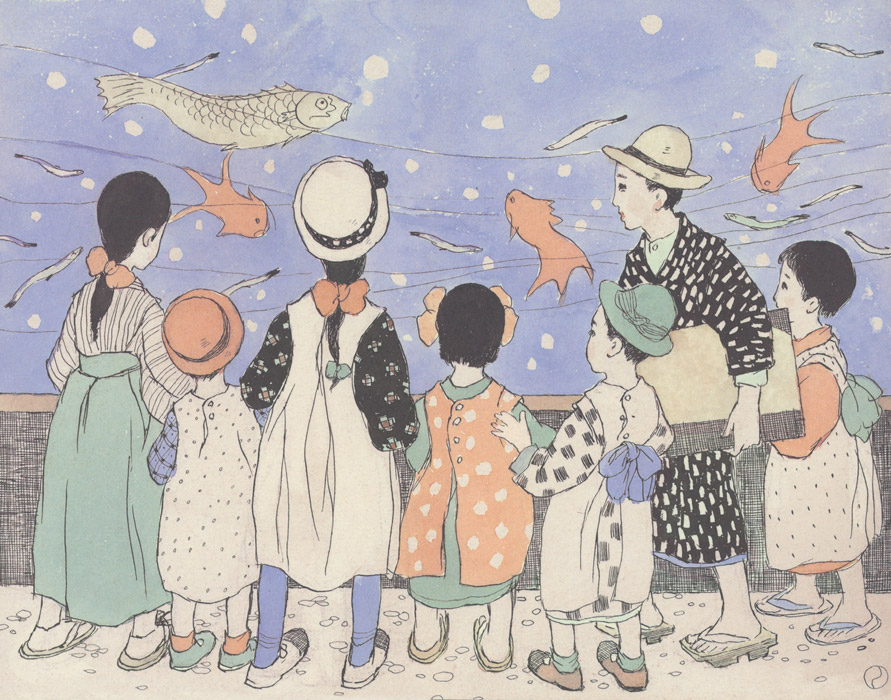
Who is Takehisa Yumeji? Historical Background and Career Start
Takehisa Yumeji is known as a leading painter and illustrator of Japanese beauties and modern girls. His paintings reflect the historical background and social changes of the Taisho and early Showa periods, but with a unique aesthetic sense and sophisticated style.
Yumeji showed a talent for painting from an early age and decided to become an artist. 1907 he went to France to study art in Paris. Paris was the center of art at the time, and Yumeji was exposed to Impressionist and Post-Impressionist works and was influenced by Western painters. He later returned to Japan to pursue his own style.
Yumeji depicts the new freedom and independence of Japanese women
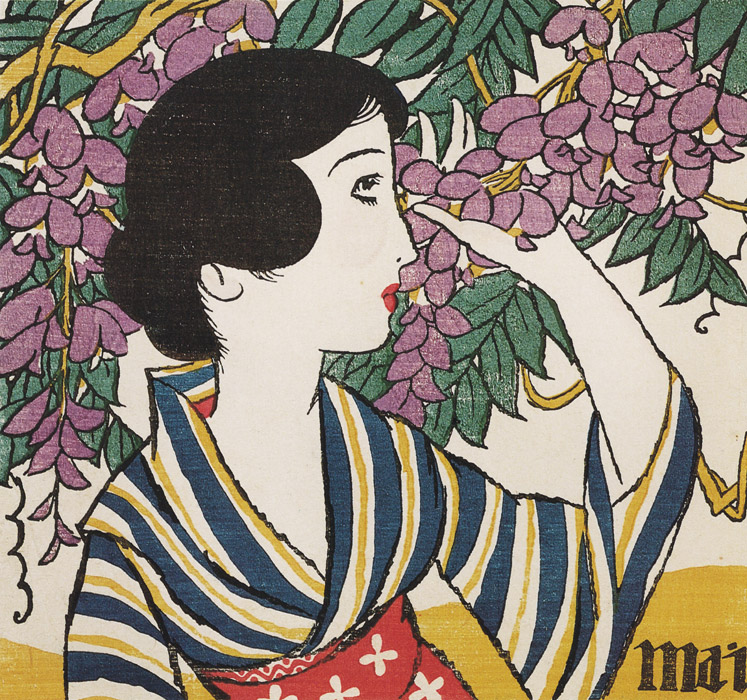
Yumeji’s works were mainly used for illustrations, magazine covers, posters, and book bindings. His depictions of women reflect the new freedom and independence of women in Japanese society at the time, and are characterized by confident expressions, sophisticated fashion, and an urban atmosphere. The women he depicted had a modern, independent attitude and were widely accepted as icons of their times.
Yumeji’s works are characterized by vivid colors and intricate detail. He used delicate brushstrokes to depict women in a way that maximizes their attractiveness. The backgrounds and props are also finely rendered, adding depth and reality to the overall work.

Takehisa Yumeji as a designer and pop culture leader
Yumeji was not only a painter but also a designer. His designs were used in a variety of media, including bookbinding, posters, and advertising, and were noted for their innovative approach and beautiful sense of design. He incorporated a blend of Japanese and Western styles, while expressing his own unique sensibility and taste.
The work of Takehisa Yumeji has been a major influence in the Japanese art world. His images of beautiful women and modern girls have had a profound influence on subsequent Japanese art and pop culture. Even today, Yumeji’s works are exhibited in many museums and galleries, and their appeal continues to be widely recognized.

Taisho Romanticism and Takehisa Yumeji
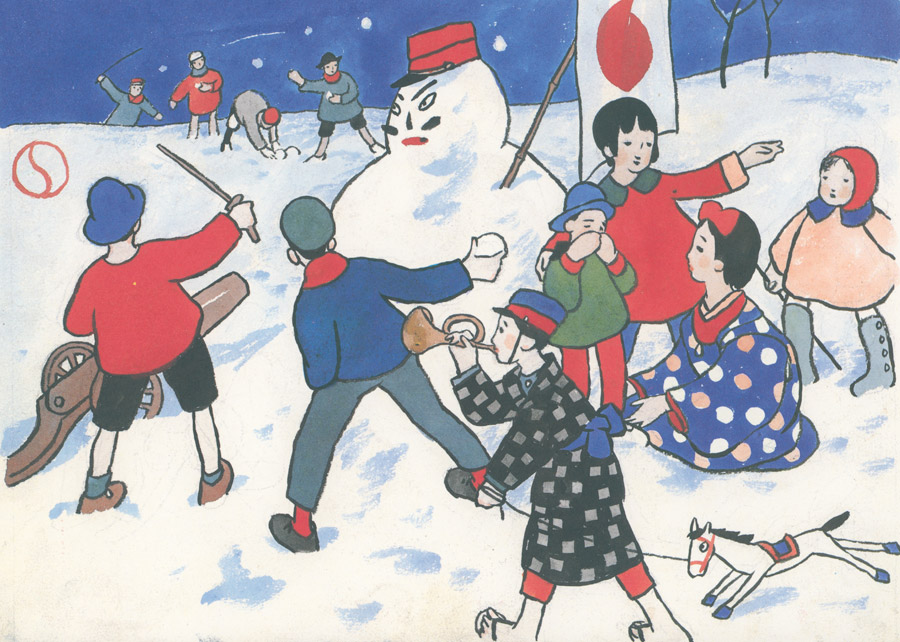
Takehisa Yumeji and Taisho Romanticism are closely related. Taisho Romanticism refers to the characteristic elements of Japanese culture and society during the Taisho period (1912-1926), and Yumeji’s artistic activities are deeply connected to the atmosphere of this era.
The Taisho Romantic period was a time when Japan was on the road to recovery from the turmoil following World War I. The influence of Western culture was expanding, and urban downtown areas and new industries were flourishing. This period saw a thirst for new freedoms and individual liberation, a growing yearning for a modern lifestyle, and the formation of a unique landscape in art and culture.
The Birth of the Modern Girl
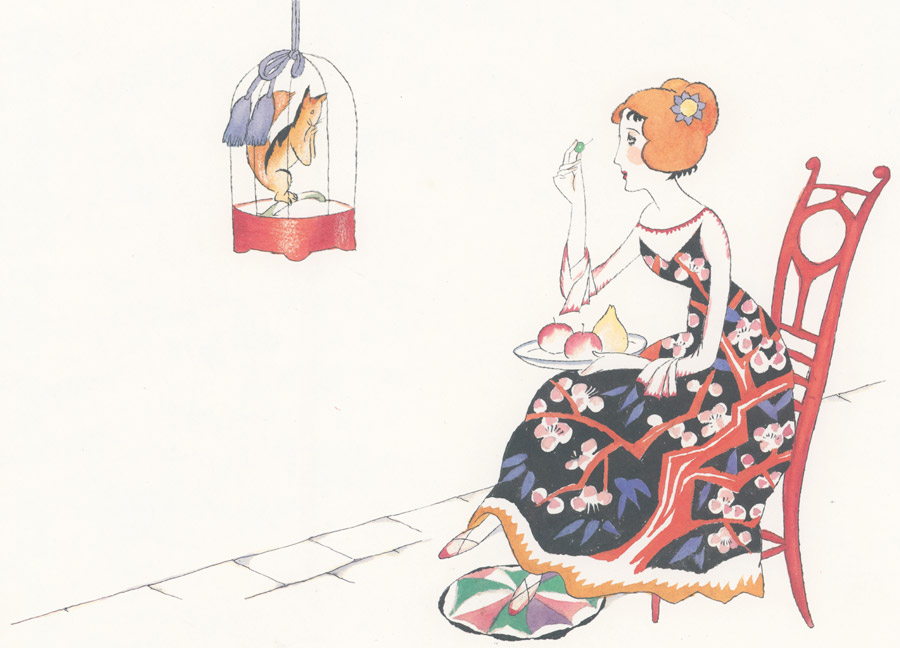
Yumeji’s works were greatly supported by the Taisho Romantic trend. His images of beautiful women and modern girls symbolized sophisticated urban lifestyles and independent women, and were in line with the values of the Taisho Romantic era and the needs of a changing society.
His works depicted the hustle and bustle of the city, new fashions, and sophisticated lifestyles, and their beauty and elegance resonated with the masses. The women depicted by Yumeji represented the modern girl of today, who pursued self-expression and independence and had her own sense of beauty.
Taisho Romanticism and Yumeji, which emphasized diversity and freedom
The Taisho Romanticism also tended to emphasize artistic and cultural diversity and free expression. Yumeji worked in a unique style that combined traditional aesthetics with Western art styles, and his innovative approach was consistent with the artistic elements of Taisho Romanticism.
The Taisho Romantic era was an important milestone in Japanese art and culture. Yumeji’s works reflect the atmosphere and values of this era, and he is positioned as a symbolic artist of the Taisho Romantic era. His beautiful works captured the hearts and minds of the people of the time and continued to have a profound influence on subsequent Japanese art and pop culture.
Related information about Yumeji Takehisa
biography
- Date of birth: March 17, 1884
- Place of birth: Tokyo Prefecture (present-day Tokyo)
- 1907: Moves to France to study art in Paris
- After returning to Japan: Started activities in Japan
- Genre: Beauty Paintings, Modern Girl
- Characteristics of the work: vivid colors, intricate details, sophisticated style
- Also works as a designer, designing posters and advertisements
- Suffering from an illness that interrupted his creative activities for a time, he began to work on new creations after his recovery.
- Year of death: 1947
Takehisa Yumeji Museum
〒113-0032
2-4-2 Yayoi, Bunkyo-ku, Tokyo
Tel: 03 (5689) 0462
home page :
Directions to Takehisa Yumeji Museum (from Shinjuku Station)
Takehisa Yumeji Museum of Art is located in Hongo 3-chome, Bunkyo-ku, Tokyo. Below are directions from Shinjuku Station to the Takehisa Yumeji Museum by train.
- From the Central East or South Exit of Shinjuku Station, head in the direction of the Toei Subway Oedo Line.
- Please exit the ticket gates of Shinjuku Station and proceed through the underground passage. The direction is for the Oedo Line.
- Arrive at the Oedo Line ticket gate and go through the ticket gate.
- Enter the platform and board the Oedo Line train. The Oedo Line train is heading for Hongo-sanchome Station.
- After about a 15-minute ride, you will arrive at Hongo Sanchome Station. Hongo Sanchome Station is the closest station to the Takehisa Yumeji Museum.
- Exit from Hongo Sanchome Station and go through the ticket gates.
- After exiting the station, turn right and follow the road.
- About 500 meters further on, you will find the Takehisa Yumeji Museum of Art. Follow the road and you will see the museum.
By following the above steps, you can smoothly follow the directions from Shinjuku Station to the Takehisa Yumeji Museum of Art by train. However, please note that train line and station information is subject to change, so we recommend that you check the latest transfer information and map in advance.